Escrow Process in California: What Homebuyers Should Expect
Learn how the escrow process in California works, from accepted offer to closing, and what Almaden Valley homebuyers should expect.
Mike D’Ambrosio · October 21, 2026 · 9 min read

Your offer was accepted. Congratulations. Now comes the part where a small mountain of documents, deadlines, deposits, inspections, and financing details need to line up before you get the keys.
Welcome to the escrow process in California.
Escrow provides a neutral process for handling funds, documents, and instructions while the buyer and seller complete their respective obligations. For Almaden Valley homebuyers, understanding what happens during escrow can make the period between accepted offer and closing considerably less mysterious.
TLDR guide
The escrow process in California generally involves:
- Opening escrow after the purchase agreement is accepted.
- Depositing the buyer's earnest money according to the contract.
- Reviewing seller disclosures and property information.
- Completing inspections and other due diligence.
- Finalizing mortgage approval and the appraisal when financing is involved.
- Reviewing title information.
- Signing closing documents.
- Depositing the remaining funds required to close.
- Recording the deed and completing the transaction.
Your exact timeline and obligations depend on the purchase agreement. The best approach is simple: know your deadlines and respond quickly when your agent, lender, or escrow officer needs something.
Detailed Breakdown
What Is Escrow in California Real Estate?
Escrow is a process in which a neutral third party holds funds, documents, and instructions associated with a real estate transaction until specified conditions have been satisfied.
The California Department of Real Estate regulates independent escrow companies in California, while other types of escrow providers may operate under different regulatory structures.
Think of escrow as the transaction's highly organized middle ground.
The buyer doesn't simply hand money directly to the seller, and the seller doesn't hand over ownership based on a handshake. Escrow helps coordinate the exchange according to the parties' written instructions.
What Happens After Your Offer Is Accepted?
Once the seller accepts your offer, the transaction moves into escrow.
The purchase agreement establishes important terms and deadlines, which can include:
- Purchase price
- Deposit requirements
- Financing terms
- Contingencies
- Inspection periods
- Closing date
- Other negotiated conditions
Buyers should know these deadlines from the beginning.
If you're still preparing to purchase, the Buy a Home page provides additional information about navigating an Almaden Valley home search.
Step 1: Deposit Your Earnest Money
Early in the escrow process in California, buyers generally deposit their earnest money according to the purchase agreement.
The deposit demonstrates the buyer's commitment to the transaction and is typically held in escrow rather than being paid directly to the seller.
Pay close attention to wire instructions. Real estate transactions can be targets for wire fraud, so buyers should independently verify wiring information using trusted contact information before transferring money.
Never rely solely on an unexpected email telling you that wiring instructions have changed.
Step 2: Review Seller Disclosures
California homebuyers typically receive various disclosures concerning the property and transaction.
These documents can contain important information about known defects, repairs, neighborhood conditions, natural hazards, and other matters.
Don't skim them just because there are a lot of pages.
Our guide to California seller disclosure requirements provides more detail about the disclosure process and the types of information buyers may encounter.
Step 3: Complete Your Due Diligence
Depending on the purchase agreement, buyers may have time to investigate the property's condition and other relevant matters.
Due diligence can involve:
- General home inspection
- Pest inspection
- Roof evaluation
- Sewer inspection
- Reviewing permits or property records
- Insurance research
- Reviewing seller disclosures
- Investigating other property-specific concerns
Not every transaction involves the same investigations.
The important point is to understand which contingencies and investigation rights are included in your agreement — and the deadlines attached to them.
Step 4: Complete the Appraisal and Loan Process
If you're financing the purchase, your lender will continue underwriting the loan while escrow is underway.
The lender may need updated financial documents and will generally arrange for an appraisal of the property.
Respond quickly to lender requests. Missing paperwork can create delays when you're working toward a fixed closing date.
Avoid taking out new loans, opening credit accounts, or making other significant financial changes during escrow without first discussing them with your lender.
Step 5: Review Title Information
The escrow and title process also addresses ownership and title-related matters.
Buyers typically receive a preliminary title report identifying information such as recorded ownership interests, liens, easements, and other matters affecting title.
Review the report and ask questions about anything you don't understand.
The goal is to identify relevant title issues before closing rather than discovering them afterward.
Step 6: Understand Your Closing Costs
Buying a house involves more than the down payment.
Depending on the transaction, buyer expenses can include items such as:
- Loan-related charges
- Appraisal fees
- Escrow and title costs
- Prepaid property taxes
- Insurance
- Recording-related charges
- Inspection expenses
The exact allocation of costs depends on the transaction, financing, local practices, and purchase agreement.
Our guide to the hidden costs of buying a home in San Jose can help you plan for expenses beyond the headline purchase price.
Step 7: Review Your Closing Disclosure
For many mortgage transactions, buyers receive a Closing Disclosure showing important details about the loan and closing costs.
The federal Consumer Financial Protection Bureau recommends comparing the Closing Disclosure with your Loan Estimate and reviewing key loan terms and costs carefully.
Don't wait until you're signing to ask questions.
Check the figures, understand how much money you need to bring to closing, and contact your lender or escrow professional promptly if something appears incorrect or unclear.
Step 8: Sign Documents and Fund the Purchase
As closing approaches, you'll sign the documents necessary to complete the transaction.
Financed buyers will also need to satisfy the lender's remaining requirements. You'll then arrange for the funds required to close according to verified escrow instructions.
Again, wire fraud deserves serious attention.
Verify instructions through a known, trusted phone number before sending a large transfer. A five-minute verification call is considerably more appealing than discovering your down payment went somewhere it shouldn't.
Step 9: Final Walk-Through
Shortly before closing, buyers commonly conduct a final verification of the property's condition.
This isn't another full home inspection.
The purpose is generally to confirm that the property is in the expected condition and, where applicable, agreed-upon repairs or other contractual matters have been addressed.
Pay attention and raise concerns promptly rather than assuming they'll be easier to resolve after closing.
Step 10: Recording and Getting the Keys
The finish line arrives when the necessary documents are recorded and the transaction officially closes.
Once recording and other closing requirements are completed, ownership transfers according to the transaction documents.
Then comes the part buyers have been waiting for: the keys.
If you'd like a sense of recent local activity before beginning your own purchase, explore Recently Sold homes in the Almaden Valley area.
How Long Does Escrow Take in California?
There isn't one mandatory escrow length for every California home purchase.
The timeline depends on the purchase agreement and can be affected by:
- Financing
- Appraisal timing
- Inspections
- Contingencies
- Title matters
- Buyer and seller needs
- Negotiated closing terms
A cash transaction may have different timing requirements from a financed purchase.
First-time buyers who want more context around the full process can also review our first-time homebuyer guide for San Jose.
How Can Buyers Keep Escrow Moving Smoothly?
The escrow process in California becomes much easier when buyers stay organized.
Keep your lender documents accessible, monitor transaction deadlines, review disclosures promptly, and respond quickly when additional information is requested.
Most importantly, ask questions when something isn't clear.
Working with Almaden Valley Realtors can help buyers coordinate the real estate side of the transaction while communicating with the lender, escrow professionals, inspectors, and other parties involved.
Escrow has a lot of moving pieces. Your job isn't to become an escrow expert overnight — it's to understand what needs your attention and when.
Key Takeaways
- The escrow process in California begins after the buyer and seller enter into a purchase agreement and escrow is opened.
- Escrow provides a neutral process for handling transaction funds, documents, and instructions.
- Buyers should understand deposit, contingency, inspection, financing, and closing deadlines.
- Review California seller disclosures carefully rather than treating them as routine paperwork.
- Financed buyers should respond quickly to lender and appraisal requirements.
- Review preliminary title information and ask questions about unfamiliar items.
- Budget for closing expenses beyond your down payment.
- Verify wire instructions independently before transferring funds.
- Review closing documents carefully and raise questions before signing.
- The transaction is completed after the required closing and recording steps are satisfied.
Escrow may feel like paperwork with a house attached to it, but every step moves you closer to ownership.
FAQs
1. How long is the escrow process in California?
There is no single escrow period that applies to every California home purchase. The closing timeline is established by the purchase agreement and can vary based on financing, inspections, contingencies, title matters, and the needs of the parties. Buyers should confirm their specific deadlines with their real estate and escrow professionals.
2. What happens during escrow when buying a house in California?
During escrow, the parties work through the requirements established by the purchase agreement and escrow instructions. Buyers may complete inspections, review disclosures and title information, finalize financing, sign documents, and deposit the necessary closing funds. Escrow coordinates documents and funds until the conditions for closing have been satisfied.
3. Who holds the buyer's deposit during escrow?
The buyer's earnest money is generally deposited with the escrow holder according to the terms of the purchase agreement and escrow instructions. The funds are held while the transaction progresses toward closing. Buyers should follow deposit deadlines carefully and independently verify any wiring instructions.
4. Can a buyer back out during escrow in California?
A buyer's ability to cancel and what happens to the deposit depend on the purchase agreement, applicable contingencies, deadlines, and circumstances surrounding the cancellation. Certain contingencies may provide contractual cancellation rights when their requirements are satisfied. Buyers should consult their real estate professional and, when necessary, qualified legal counsel before making a cancellation decision.
5. What should I avoid doing during escrow?
Avoid making major financial changes, taking on new debt, or opening credit accounts without first discussing the potential impact with your lender. You should also avoid missing contractual deadlines or ignoring requests for documents from professionals handling the transaction. Staying financially consistent, responsive, and organized can help reduce preventable closing problems.
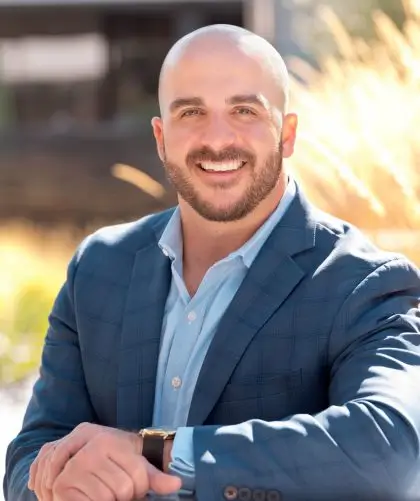
Mike D’Ambrosio
Lead Agent · Realtor®
Mike has lived in Almaden Valley for fifteen years. He has represented buyers and sellers in every neighborhood between Pioneer and Leland boundaries. He believes the right home is a generational decision, not a quarterly transaction.