
Escrow Process for a Luxury Home in California: What Should Buyers Expect?
Understand the escrow process luxury home California buyers face, from earnest money and inspections to appraisals, financing, and closing.
Mike D’Ambrosio · November 18, 2026 · 12 min read

You've found the perfect luxury home in Almaden Valley. The architecture is impressive, the property checks your boxes, and the seller has accepted your offer.
Congratulations! Now comes the part that isn't nearly as glamorous as the home tour: escrow.
The escrow process luxury home California buyers navigate involves several important steps, including deposits, inspections, financing, title review, and final paperwork.
And when you're purchasing a multimillion-dollar property, small details can have substantial financial consequences.
Luxury transactions may also involve custom construction, complex ownership arrangements, unusual property features, or specialized financing requirements.
Understanding the process before you begin can help you make informed decisions, anticipate potential complications, and approach closing day with greater confidence.
Here's what buyers should expect when purchasing a luxury home in California.
TLDR guide
- Escrow protects the transaction: A neutral third party coordinates funds, documents, and closing requirements.
- Escrow typically begins after offer acceptance: The purchase agreement establishes the parties' obligations and deadlines.
- Earnest money matters: Buyers usually submit an initial deposit according to the contract.
- Luxury homes require detailed due diligence: Specialized inspections may be appropriate for custom construction and distinctive property features.
- Appraisals can create challenges: A lender's valuation may differ from the agreed purchase price.
- Financing may be more complex: Jumbo loans and other financing arrangements can require additional documentation.
- Title and insurance need attention: Ownership restrictions, easements, liens, and insurance availability can affect closing.
- Closing timelines vary: Many transactions take approximately 30 – 45 days, but luxury purchases may require more or less time.
For a broader overview, read the guide to the escrow process in California.
Detailed Breakdown
What Is Escrow in a California Luxury Home Purchase?
Escrow is a process in which a neutral third party holds funds and coordinates transaction documents while the buyer and seller complete their contractual obligations.
The escrow holder follows written instructions and applicable requirements before distributing funds and completing the transaction.
In California, escrow services may be provided through different regulated or exempt arrangements, including certain title companies, independent escrow companies, and other authorized providers.
The escrow holder is not a substitute for your real estate agent, attorney, lender, or inspector.
Each professional has a different role.
For buyers, the purpose of escrow is to help ensure that money and ownership documents are handled according to the agreed transaction terms.
Step 1: Your Offer Is Accepted and Escrow Opens
The escrow process generally begins after the buyer and seller enter into a purchase agreement.
The agreement establishes important details such as:
- Purchase price
- Initial deposit
- Financing terms
- Contingencies
- Disclosure obligations
- Closing date
- Allocation of certain costs
- Other negotiated conditions
Once escrow opens, the parties receive instructions about deposits, documentation, and upcoming deadlines.
What Makes Luxury Transactions Different?
Higher-priced properties may involve more complicated negotiations or documentation.
For example, a luxury home may include extensive custom improvements, separate structures, specialized equipment, or unusual ownership arrangements.
These features can require additional investigation before the buyer is ready to close.
A knowledgeable agent can help coordinate the process and identify matters that require attention from qualified specialists.
The buy a home in Almaden Valley page outlines the team's approach to helping buyers navigate local real estate transactions.
Step 2: Submit Your Earnest Money Deposit
An earnest money deposit demonstrates the buyer's commitment to the transaction.
The amount and payment deadline are established through the purchase agreement.
For illustration, consider a $3 million property.
Example Deposit
Amount
Purchase price
$3,000,000
1% deposit
$30,000
2% deposit
$60,000
3% deposit
$90,000
These percentages are examples, not mandatory California deposit requirements.
The deposit is generally credited toward the buyer's purchase funds at closing.
However, whether the deposit is refundable depends on the contract, contingency provisions, the parties' actions, and applicable law.
Important: Never assume earnest money is automatically protected under every circumstance.
Review the agreement carefully before removing contingencies or agreeing to changes.
Protect Yourself From Wire Fraud
Real estate transactions are frequent targets for payment scams.
Fraudsters may impersonate escrow officers or send convincing emails with altered wiring instructions.
Before transferring funds:
- Confirm instructions using a previously verified telephone number.
- Avoid relying solely on emailed payment changes.
- Verify the escrow company's identity.
- Confirm account details through a trusted communication channel.
- Report suspicious requests immediately.
Never send substantial funds based only on an unexpected email.
Step 3: Complete Inspections and Property Due Diligence
Inspections are among the most important stages of the escrow process luxury home California buyers experience.
Luxury properties may contain systems and construction features that require specialized evaluation.
A general home inspection is a useful starting point, but it may not cover every issue.
Common Inspection Considerations
Depending on the property, buyers may consider:
- General home inspection
- Roof inspection
- Pest and wood-destroying organism inspection
- Foundation or structural evaluation
- Sewer inspection
- Electrical and plumbing assessments
- HVAC evaluation
- Pool and spa inspection
- Drainage and grading assessment
- Retaining wall evaluation
- Specialized equipment inspection
For hillside properties in Almaden Valley, drainage, grading, retaining walls, and access conditions may deserve particular attention.
Not every home requires every inspection.
The appropriate scope depends on the property's age, condition, features, and available information.
Read the guide to home inspection when buying a house for more details.
Step 4: Review Seller Disclosures and Property Records
California residential real estate transactions often involve statutory and contractual disclosure obligations.
Depending on the transaction, buyers may receive documents addressing property condition, known defects, natural hazards, and other relevant matters.
Luxury buyers should review disclosures carefully rather than assuming that an expensive property has fewer problems.
Additional documents may include:
- Permit records
- Renovation information
- Preliminary title reports
- HOA documents, if applicable
- Easement information
- Survey or boundary documents, when available
- Insurance-related disclosures
- Relevant inspection reports
Some properties or transaction types may be subject to different disclosure requirements or exemptions.
A real estate attorney or other qualified professional can help evaluate complex legal or title issues.
Step 5: Complete the Appraisal and Financing Process
If you're financing a luxury home, your lender will evaluate your financial qualifications and the property.
This may include an appraisal, underwriting review, verification of assets, and additional documentation.
Why Luxury Home Appraisals Can Be Challenging
Custom properties can be difficult to value because directly comparable sales may be limited.
An appraiser may need to account for differences in:
- Architecture
- Interior square footage
- Lot characteristics
- Construction quality
- Renovations
- Views
- Specialized amenities
- Recent market activity
An appraisal is the lender's valuation tool, not a guarantee of what the property will sell for in the open market.
What Happens If the Appraisal Comes in Low?
Suppose you agree to purchase a luxury home for $3 million, but the lender's appraisal is $2.85 million.
That creates a $150,000 difference between the contract price and appraised value.
Depending on financing terms, the lender may calculate the maximum loan using the lower valuation.
Potential responses include:
- Negotiating with the seller
- Contributing additional funds
- Requesting an appraisal reconsideration when supported by evidence
- Exploring alternative financing
- Exercising an applicable appraisal or financing contingency
Your available options depend on the contract and lender requirements.
For more guidance, read what happens when a home appraisal is lower than your offer.
Step 6: Finalize Your Mortgage Approval
Luxury purchases often involve loan amounts that exceed conforming mortgage limits.
These loans are commonly called jumbo loans, although the applicable threshold depends on the property's location, number of units, and current conforming loan limits.
Jumbo financing may involve additional underwriting requirements.
Lenders may examine:
- Credit history
- Income stability
- Debt obligations
- Down payment funds
- Liquid assets
- Cash reserves
- Investment or stock-based compensation
- Property characteristics
Self-employed buyers and those with complex income sources may need additional documentation.
This is why financing preparation should begin before making an offer.
The guide to mortgage pre-approval before buying a house explains the importance of preparing financial documentation early.
Remember: Mortgage pre-approval isn't final loan approval, and financing conditions can change during escrow.
Step 7: Review Title, Ownership, and Insurance
Title review helps identify matters that could affect ownership.
The preliminary title report may reveal liens, easements, restrictions, or other recorded interests.
Luxury properties can have additional considerations, particularly when they involve large lots, private access roads, or unusual improvements.
Buyers may need to investigate:
- Easements and access rights
- Boundary questions
- Recorded restrictions
- Existing liens
- HOA obligations
- Shared infrastructure agreements
- Title insurance coverage
Insurance also deserves early attention.
Some California properties face higher insurance costs or limited carrier availability because of wildfire exposure, construction characteristics, or underwriting considerations.
Obtain suitable insurance quotes early enough to address potential issues before closing.
Step 8: Understand Contingencies and Their Deadlines
Contingencies provide contractual protections under specified circumstances.
Common examples include:
- Inspection contingency
- Appraisal contingency
- Loan contingency
- Sale-of-existing-home contingency
The actual terms depend on the signed agreement.
Removing a contingency may significantly change a buyer's rights and financial exposure.
For example, removing a loan contingency before financing is secure could create substantial risk if the lender later declines the loan.
Buyers should understand each deadline and the consequences of removing or failing to satisfy a contingency.
Never waive an important protection simply because a property is described as exclusive or highly desirable.
Step 9: Prepare for the Final Walkthrough and Closing
As closing approaches, the buyer typically completes remaining requirements.
These may include:
- Confirming loan approval
- Reviewing closing documents
- Verifying funds needed to close
- Arranging homeowners insurance
- Completing the final walkthrough
- Signing required documents
- Funding the transaction
- Recording the deed
The final walkthrough is generally intended to confirm the property's condition and verify agreed repairs or other contractual obligations.
It isn't a substitute for earlier professional inspections.
When Do You Receive the Keys?
In California, closing commonly occurs after required documents are recorded with the county recorder and funds are disbursed according to the transaction arrangements.
Possession timing depends on the purchase agreement.
Buyers should confirm the agreed possession terms rather than assuming keys will be available immediately after signing documents.
How Long Does Luxury Home Escrow Take in California?
Many financed California residential transactions are structured around approximately 30 – 45 days.
However, this isn't a required or guaranteed timeline.
Luxury purchases may take longer because of:
- Jumbo loan underwriting
- Specialized inspections
- Appraisal complexity
- Title questions
- Seller relocation arrangements
- Property repairs
- Insurance difficulties
- Negotiated closing conditions
A cash purchase may close more quickly when the parties and documentation are ready, but cash doesn't eliminate the need for due diligence.
Escrow Stage
Illustrative Timing
Offer acceptance and escrow opening
Days 1 – 3
Deposit and initial document review
Early escrow
Inspections and disclosures
First 1 – 3 weeks
Appraisal and loan underwriting
Throughout financing period
Contingency decisions
Contract-specific deadlines
Final signing, funding, and recording
Near agreed closing date
These are illustrative stages, not statutory deadlines or a promise of completion.
How Can Almaden Valley Realtors Help Luxury Buyers?
The escrow process luxury home California buyers navigate can involve multiple professionals, deadlines, and property-specific decisions.
A locally knowledgeable real estate advisor can help buyers organize the transaction, understand contractual milestones, and coordinate with lenders, inspectors, escrow officers, and other specialists.
Almaden Valley Realtors focuses on Almaden Valley properties and neighborhood-specific buyer guidance.
Before making an offer, buyers can also use the luxury home tour checklist to identify questions worth investigating.
For guidance on purchasing a luxury property, contact Almaden Valley Realtors to discuss your search and transaction needs.
Key Takeaways
- The escrow process luxury home California buyers experience begins with an accepted agreement and continues through funding and recording.
- Earnest money is governed by contract terms: Understand deposit requirements and potential risks.
- Inspections matter: Luxury homes may require specialized assessments beyond a general inspection.
- Review disclosures carefully: High property values don't eliminate maintenance or legal concerns.
- Appraisals can create financing gaps: Unique homes may have limited comparable sales.
- Jumbo financing may require more documentation: Prepare financial records early.
- Title and insurance deserve attention: Easements, liens, access rights, and coverage availability can affect closing.
- Contingencies are important protections: Understand the consequences before removing them.
- Closing timelines vary: Plan for possible delays rather than assuming a guaranteed completion date.
Buying a luxury home is an exciting milestone, but the paperwork deserves as much attention as the property itself.
With careful preparation, appropriate professional guidance, and a clear understanding of each stage, buyers can approach the California luxury home escrow process with greater confidence.
Frequently Asked Questions (FAQs)
1. How long does the escrow process take for a luxury home in California?
Many financed California home purchases are scheduled to close in approximately 30 – 45 days. Luxury transactions may take longer because of specialized inspections, jumbo loan underwriting, appraisal issues, or title concerns. The actual timeline depends on the purchase agreement and transaction circumstances.
2. How much earnest money is required for a luxury home in California?
California doesn't impose one universal earnest money percentage for every residential purchase. The deposit amount is negotiated between the buyer and seller and documented in the purchase agreement. Buyers should understand the deposit terms and potential consequences of a contract breach.
3. Can a luxury home purchase fall out of escrow?
Yes, a transaction may fail to close because of financing problems, inspection findings, title issues, or other contractual disputes. Whether a buyer can cancel without losing a deposit depends on the agreement, applicable contingencies, and legal circumstances. Buyers should review deadlines and obtain professional advice before making major decisions.
4. What happens if a luxury home appraisal is lower than the purchase price?
A low appraisal may affect the loan amount a lender is willing to provide. The buyer may need to negotiate, contribute additional funds, seek a supported reconsideration, or evaluate contractual cancellation rights. Available options depend on financing terms and the purchase agreement.
5. Do cash buyers need escrow when purchasing a luxury home in California?
Cash buyers commonly use escrow to coordinate documents, funds, and ownership transfer, although the precise structure depends on the transaction. Paying cash removes mortgage underwriting requirements but doesn't eliminate title, inspection, disclosure, or legal considerations. Using qualified transaction professionals can help manage these important steps.
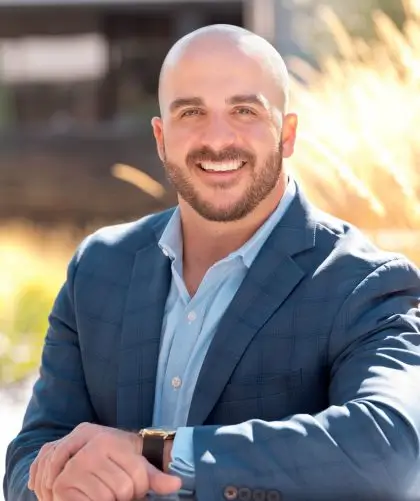
Mike D’Ambrosio
Lead Agent · Realtor®
Mike has lived in Almaden Valley for fifteen years. He has represented buyers and sellers in every neighborhood between Pioneer and Leland boundaries. He believes the right home is a generational decision, not a quarterly transaction.